

What’s the Difference Between Sealing Solutions: Gaskets, Seals, and O-Rings
What’s the Difference Between Sealing Solutions: Gaskets, Seals, and O-Rings
Whenever fluids, gases, or pressure must remain precisely where they belong, the proper sealing solution is very important. Gaskets, seals, and O-rings may appear similar in function, but each of these components are engineered for different operating conditions, movement requirements, and assembly designs.
A practical way to approach seal selection is to first evaluate the application. Start by considering the environment: Is the connection static or dynamic? Will the system experience pressure, temperature variation, vibration, or chemical exposure? Once the operating conditions are clearly understood, identifying whether a gasket, seal, or O-ring is the most effective solution becomes far more straightforward:
Use a gasket if everything is meant to stay still.
Use a seal if anything is moving.
An O-ring is a strong choice if you have a groove.
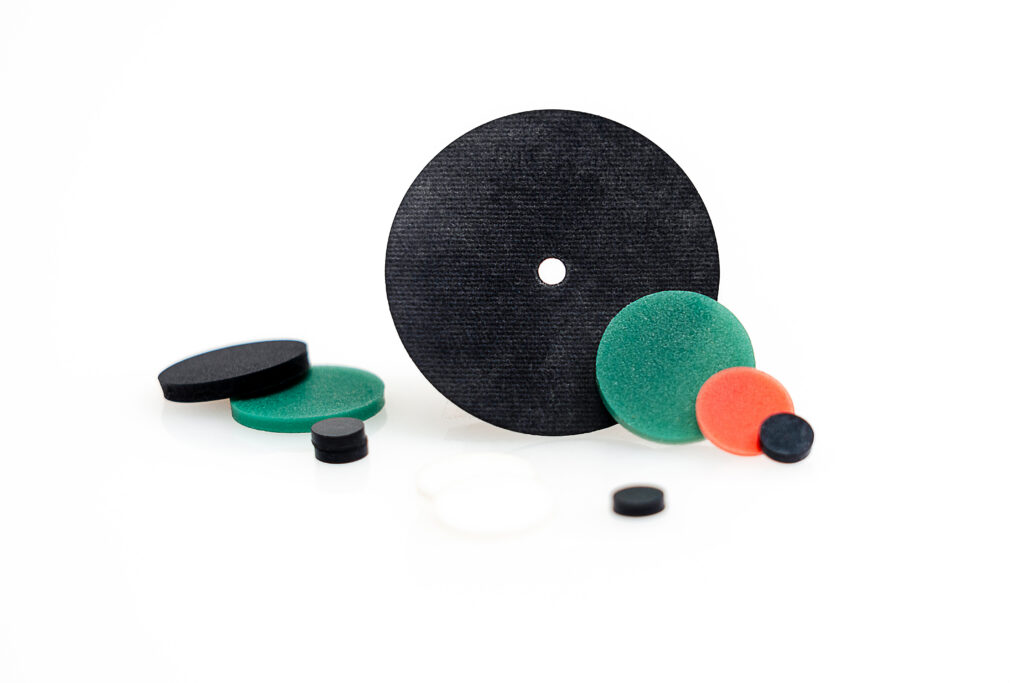
Why do you use a gasket to seal components when they are meant to stay still?
When two stationary surfaces need to be sealed together, the solution is typically a gasket. Gaskets are designed for static applications where components are bolted or compressed together and remain fixed during operation.
Their function is straightforward but essential. Once compressed between mating surfaces, a gasket conforms to microscopic surface irregularities that would otherwise allow fluid, air, or pressure to escape. This compression creates the seal.
Gaskets are commonly used in flanges, housings, engines, piping systems, HVAC equipment, and essentially any assembly where two surfaces meet and movement is not part of the operating condition.
Material selection plays a significant role in gasket performance. Operating temperature, system pressure, chemical exposure, and environmental conditions all influence which material is appropriate. Depending on the application, gasket materials may include rubber compounds, cork, metal, fiber materials, or PTFE. While materials and construction vary, the objective remains consistent: maintain a reliable seal in a static assembly.

When there is a moving part, why use a seal component to prevent leakage?
Seals are built for systems that don’t sit still. Think rotating shafts, sliding components, and pressure changes. They’re designed to keep contact while things are in motion, which is a much tougher job than just being compressed once and left alone.
This makes sealing quite demanding. Dynamic systems introduce friction, pressure fluctuations, heat buildup, shaft misalignment, and wear over time. A properly designed seal accommodates that motion while still preventing fluid loss, contamination, or pressure failure.
You’ll find seals in places where friction, pressure, and temperature are constantly changing, such as pumps, motors, gearboxes, hydraulic systems.
Material and design are important because the operating conditions can change constantly. Surface speed, lubrication, temperature, pressure, and chemical compatibility all influence seal performance and lifespan.
This is also where incorrect component selection becomes costly. Dynamic systems require sealing solutions specifically engineered for movement. And a gasket, for example, installed in a dynamic application will typically fail prematurely because it is not designed to withstand continuous motion or friction.
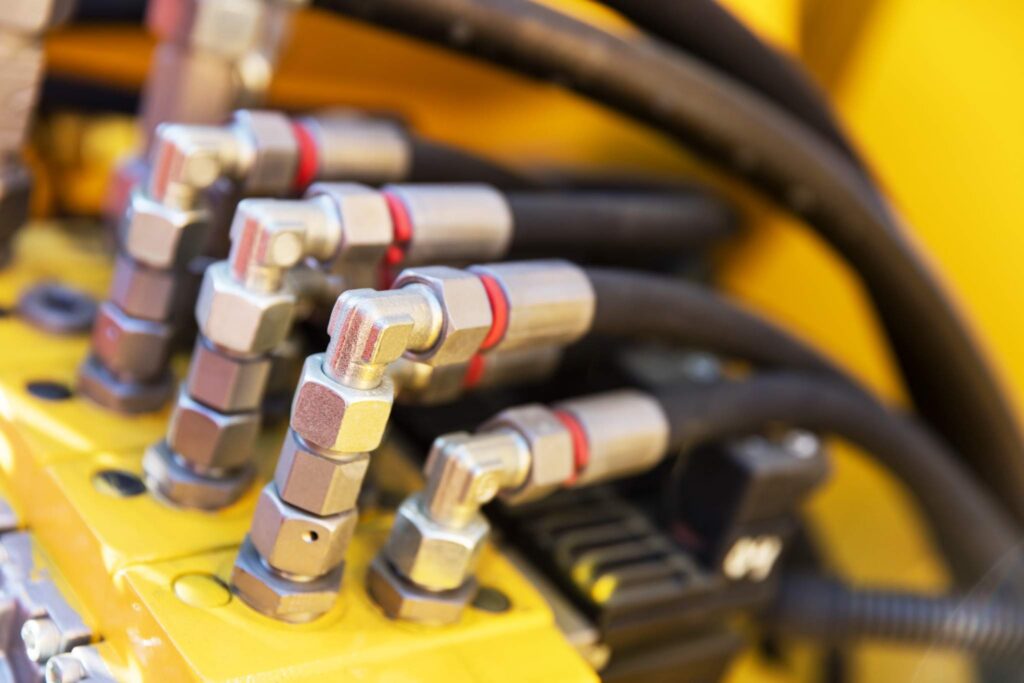
When there is a groove to seal, use an O-Ring
An O-Ring is a sealing solution that is simply a circular elastomer ring that sits in a groove and gets compressed when parts come together. Think of the ring that seals your reusable water bottle. There is nothing complicated about the shape, but the way it works is what makes it very effective.
Despite its simplicity, the sealing mechanism is highly effective. As system pressure increases, the O-ring deforms slightly and is forced more firmly against the sealing surfaces.
This combination of simplicity, reliability, and compact design is why O-rings are used across industries ranging from hydraulics and fuel systems to medical devices, pneumatic equipment, and consumer products. Even something as familiar as a reusable water bottle cap often relies on the same sealing principle.
Material selection is equally important to O-ring performance. They are commonly manufactured from compounds such as Nitrile (Buna-N), FKM (Viton®), Silicone, and EPDM, each chosen for specific operating conditions. Temperature range, chemical exposure, pressure requirements, and the environment all play a role in determining the right material.

Where the Right Rubber and Plastic Manufacturer Helps
Sealing failures are not always caused by poor manufacturing. In many cases, the issue is that the material, design, or sealing method was never properly matched to the application itself. A component may meet specification on paper and still fail prematurely if the operating environment was not fully considered.
That is where an experienced manufacturing partner becomes valuable. Effective sealing is not just about producing a part to dimension. It requires understanding how that part will perform under real operating conditions over time.
There is no universal “best” gasket, seal, or O-ring. The right solution is always application-specific.
If you’re evaluating a new sealing application or troubleshooting an existing one, the team at Gulf can help identify the material and design best suited to your operating conditions.