Valved Introducers in Minimally Invasive Procedures: Trends, Requirements, and Next-Generation Solutions
Where precision and reliability define outcomes in modern healthcare, the valved introducer quietly enables thousands of successful procedures every day. Though small in size these components play a big role in ensuring patient safety, procedural control and long-term device performance.
The Unsung Hero of Minimally Invasive Procedures
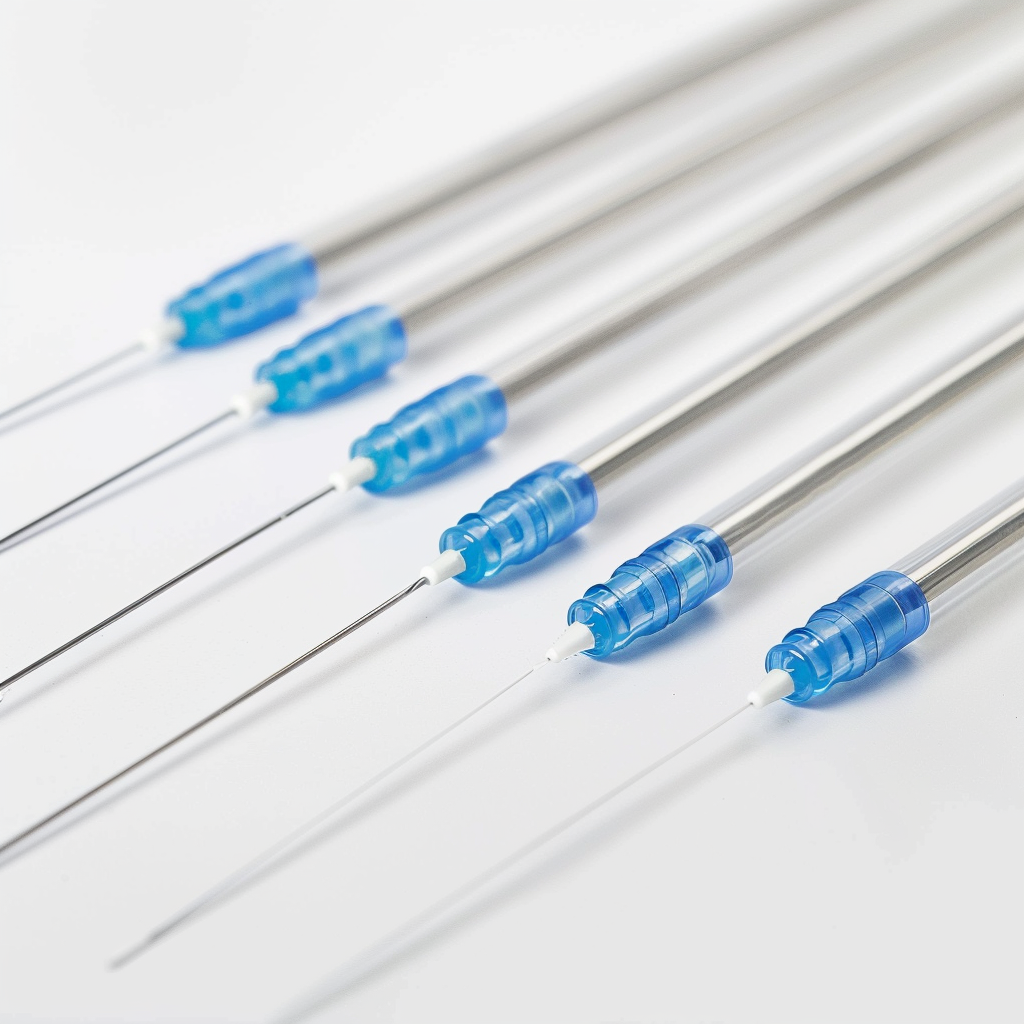
A valved introducer is a specialized medical device that provides controlled vascular access during minimally invasive procedures such as cardiac catheterization, angioplasty and interventional radiology. With an integrated hemostatic valve, clinicians are able to insert and exchange instruments – like catheters and guidewires – while maintaining a tight seal that prevents blood loss and air embolisms.
To put it simply, the valved introducer acts as a guardian of the sterile field. Hemostasis can be maintained to protect patients from complications and support the smooth workflow that modern and minimally invasive procedures demand.
Why Valved Introducers Matter in Minimally Invasive Medicine
The valved introducer sits at the center of precision, speed, and safety in minimally invasive procedures. These devices:
– Maintain a hemostatic seal while allowing repeated instrument exchanges.
– Reduce the risk of contamination or blood exposure.
– Improve procedural control for clinicians.
– Enhance patient comfort and promote faster recovery.
Demand for high-performance valved introducers continues to rise with the rapid growth of interventional cardiology, radiology, and vascular surgery. As global healthcare systems increasingly favor minimally invasive techniques for their efficiency and reduced recovery times, the reliability of each component becomes even more critical.
Core Design and Material Requirements
Designing a valved introducer requires an intricate balance between mechanical precision and biological compatibility. Key engineering priorities include:
Tight seal performance: The valve must prevent leakage across a range of pressures.
Low insertion and withdrawal force: Ensuring smooth transitions without compromising tissue or device integrity.
Durability and biocompatibility: Materials must withstand sterilization and repeated use within a sterile field.
Versatility: Valved introducers often must accommodate a wide range of instruments of varying sizes. The selected materials must be able to stretch and conform without fail.
At the heart of this performance lies the elastomer components that form the valve’s sealing system. These soft yet durable materials must compress, recover and maintain consistent sealing characteristics under various conditions.
Gulf brings knowledge and expertise to this challenge through the following capabilities:
– Precision molding of thin-wall membranes and micro-seals
– Custom elastomer engineering for specific compression set, elongation, tear strength, and seal behaviors
– Material selection optimized for biocompatibility, sterilization tolerance, and device integration.
Industry Trends Shaping the Future of Valved Introducers
The medical device landscape is evolving rapidly and valved introducers must evolve with it. Some key trends include:
Miniaturization: As devices become smaller, the need for ultra-precise elastomer components grows.
Integration with smart and robotic systems: Valves must maintain their reliability while supporting automated or sensor-based devices.
Enhanced biocompatibility and sustainability: Manufacturers are prioritizing materials that tolerate advanced sterilization and reduce environmental impact.
Customization: OEMs increasingly seek partners who can tailor designs to their application rather than relying on off-the-shelf components.
Insertion / Extraction: A variety of options are available to reduce the coefficient of friction with coatings and other surface preparations.
Engineering for Performance and Precision
At Gulf, we combine material science expertise, precision tooling, and collaborative engineering to create components that perform flawlessly. Some of our capabilities include:
– Advanced EPDM, silicone (LSR & HCR), polyisoprene, and custom elastomer formulations designed for medical applications
– Tight-tolerance molding that ensures consistent and repeatable performance
– A collaborative design process that supports OEMs through regulatory and functional requirements
Our engineering approach ensures that every valved introducer component we produce performs with precision where it matters most.
Real-World Impact: When Reliability Is Non-Negotiable
The reliability of a valved introducer directly influences procedural success and patient safety. Component failure can lead to leakage, contamination or procedural interruption – outcomes no clinician can afford.
Our team ensures that reliability is engineered into every component we make, and believes that every aspect of material choice, design integrity, and manufacturing precision matters.
Trust Gulf With Your Valved Introducer Project
Are you interested in developing or refining a valved introducer component? Connect with Gulf’s engineering team to discuss how our material science and precision molding expertise can bring your medical device to life. Together, we can make a difference in patient care and procedural success.