
Custom and Standard Rubber and Plastic Components: How OEMs Can Simplify Sourcing Across Seals, O-Rings, and Assemblies
It’s on a rare occasion that an OEM would need only one rubber or plastic component for a product. One product may require multiple components such as standard O-rings, custom molded seals, gaskets, plastic components, or even complete assemblies. It would be a sourcing, manufacturing, and logistical nightmare if all those parts came from several different suppliers.
Not only would more suppliers mean more purchase orders, but lead times, quality requirements, shipments, and relationships would be very complicated to manage.
As a rubber and plastic component manufacturer, we have seen that for many OEMs, simplifying that process is important financially and operationally. Working with one manufacturing partner that can support both standard and custom rubber components, as well as more integrated assemblies, is the way to go.
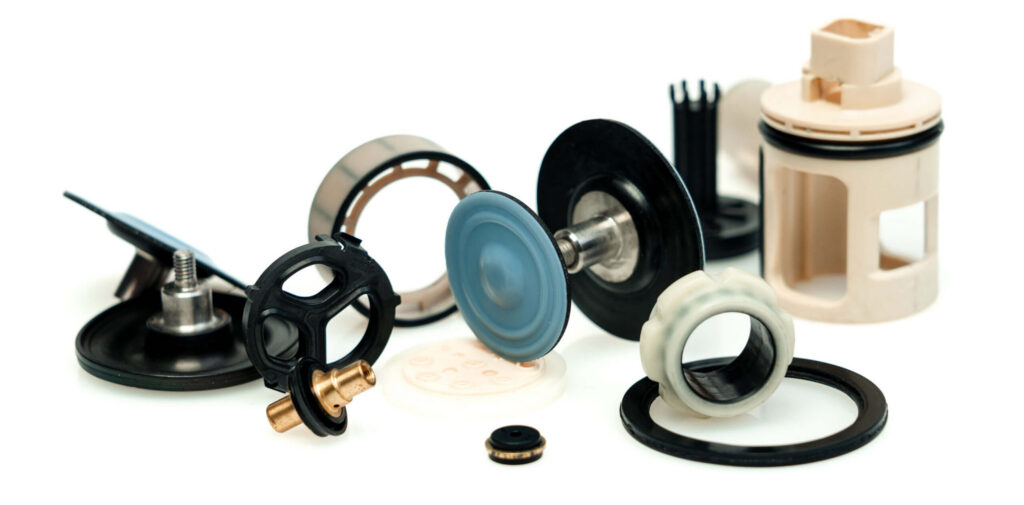
Standard or Custom Components? Often, OEMs Need Both
Standard components, particularly O-rings and common seals, can be an efficient choice when an established size, geometry, and material already meets the application’s requirements.
But even a standard component requires careful selection. An O-ring used around oils and fuels may require a different elastomer than one exposed to water, steam, outdoor conditions, or aggressive chemicals. Temperature, pressure, compression, movement, and regulatory requirements can also affect material selection.
An OEM may need custom components when standard options won’t work for the application. The best way to source the best material isn’t necessarily choosing standard or custom. It’s having access to both and knowing when each makes sense.
You may need a custom option if you’re working with:
Unique geometry or space limitations
Challenging temperatures or chemicals
High or changing pressures
Dynamic movement
Tight tolerances
Regulatory requirements
Integration with metal or plastic components

Why Sourcing Rubber and Plastic Components Gets Complicated
When an OEM product has several sealing and molded components, it’s not abnormal for the O-rings to come from one supplier, the custom molded seal to come from another, and the plastic housing to come from a third manufacturer. The final assembly may even happen somewhere else.
Each individual manufacturer and supplier may do their job well, but the OEM still has to coordinate everything.
That can include managing:
Multiple purchase orders
Different lead times
Quality documentation
Incoming inspections
Inventory from several sources
Shipping and logistics
Component compatibility
Final assembly
One Manufacturer and Supplier Can Create Value
Instead of treating every seal, O-ring, and molded part as a separate sourcing decision, OEMs can look at the product as a system.
Could just one manufacturing partner provide the standard O-rings and custom molded components? Could that same supplier manufacture the plastic housing? Could the components arrive as a tested subassembly rather than individual parts?
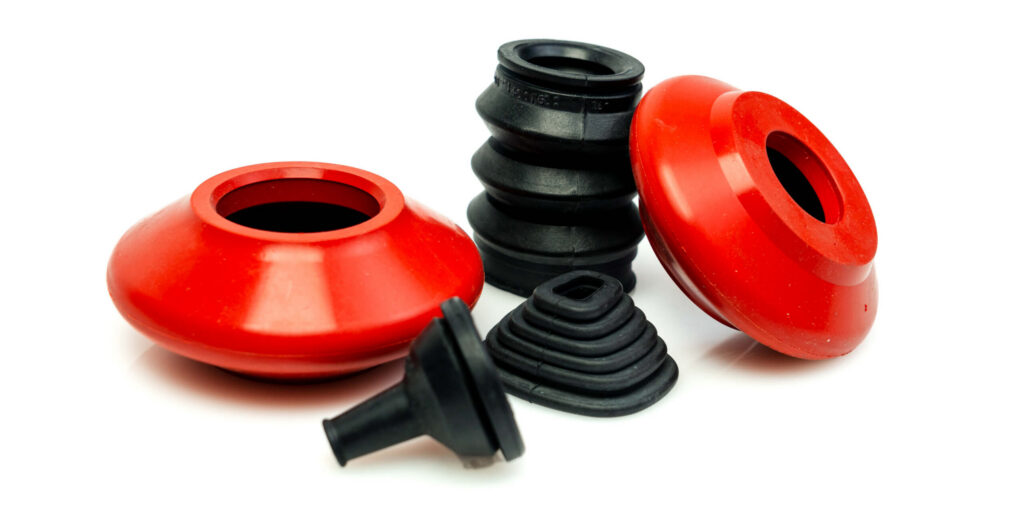
For example, an assembly might include a molded plastic housing, elastomer seal, insert, and O-ring. Rather than purchasing and managing each part independently, an OEM could work with a supplier capable of molding, sourcing, assembling, inspecting, testing, and packaging the finished unit.
That can reduce the number of handoffs between suppliers while creating a clearer point of responsibility for quality and performance.
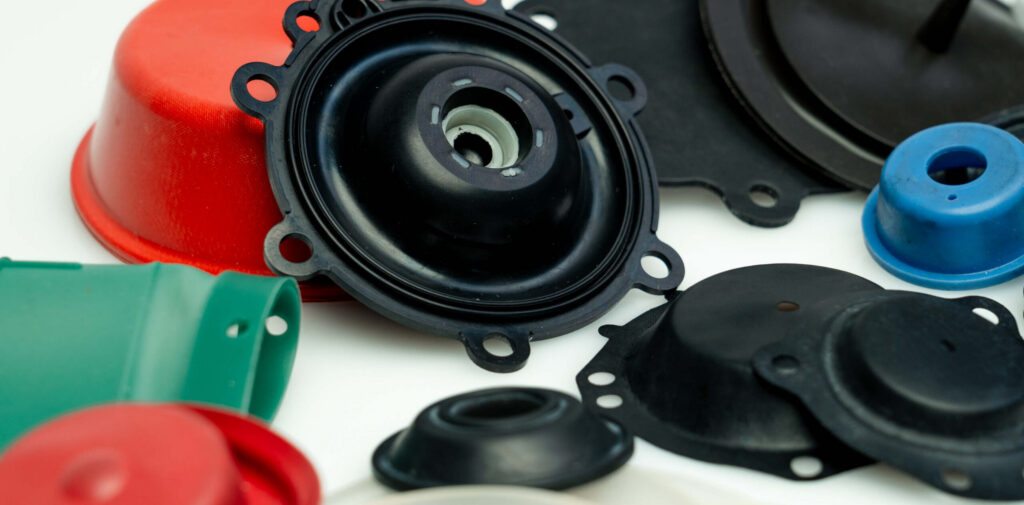
Supplier Consolidation Can Improve More Than Purchasing
Reducing the number of partners can certainly make things easier for procurement teams, but the benefits can extend into engineering and production as well.
When one manufacturing partner understands the interacting components, engineers can evaluate how those parts work together.
A sealing issue, for example, may not require a completely different elastomer. The better solution could involve adjusting the seal geometry, plastic housing, mating surface, or assembly method.
This is where Design for Manufacture and Assembly (DFMA) becomes valuable.
Working with a manufacturer early in the design process can reveal opportunities to:
Reduce the number of individual components
Simplify assembly
Improve moldability
Incorporate overmolded features
Improve sealing performance
Reduce unnecessary production steps
Instead of simply manufacturing each drawing independently, the supplier can help determine whether the overall system can be manufactured more efficiently.
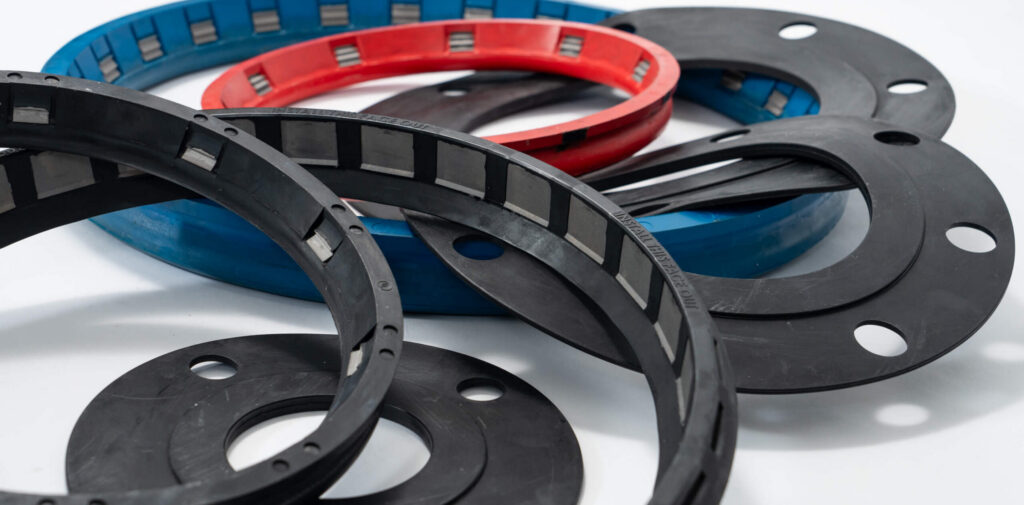
Look Beyond the Lowest Piece Price
Supplier consolidation shouldn’t mean automatically moving every component to one manufacturer. OEMs still need the right technical capabilities from their manufacturers, adequate quality systems, capacity, and material expertise.
It’s also important to look beyond the quoted price of an individual seal or O-ring.
The total cost of sourcing can include engineering time, incoming inspection, freight, inventory, assembly labor, quality issues, supplier management, and production delays. A component with a slightly lower piece price isn’t necessarily the lower-cost option if it creates additional work elsewhere in the supply chain.
For OEMs, the better question is often:
What sourcing approach delivers the best combination of component performance, quality, cost, and supply-chain efficiency?
What to Look for in a Rubber and Plastic Manufacturing Partner
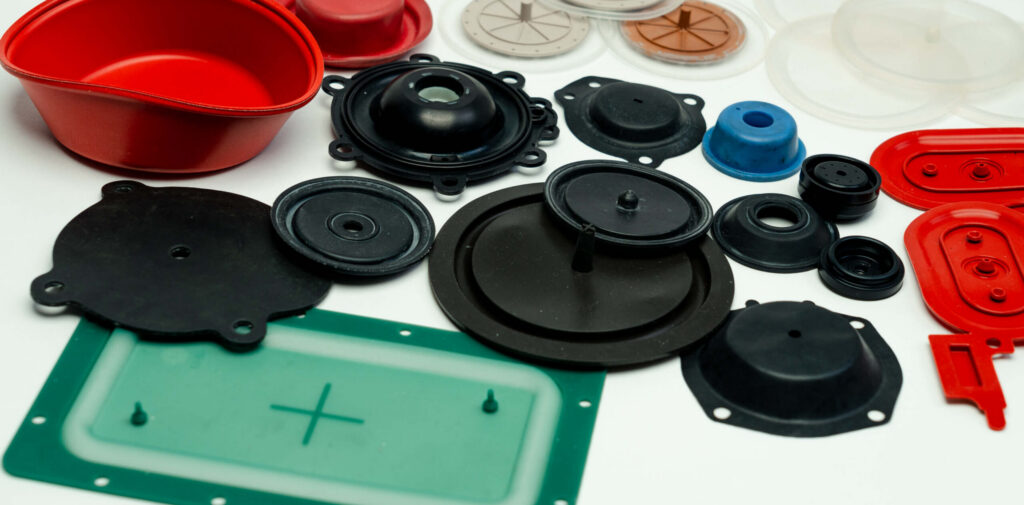
If the goal is to consolidate sourcing, look for a manufacturer with capabilities that extend beyond a single molding process.
That can include:
Standard and custom sealing solutions
Elastomer material expertise
Custom rubber molding
Plastic injection molding
Rubber-to-metal and rubber-to-plastic overmolding
Prototyping and testing
Assembly and subassembly
Quality and inspection capabilities
Scalable manufacturing and distribution
Having these capabilities under one manufacturing relationship gives OEMs more flexibility.
A standard O-ring can remain standard. A critical seal can be custom engineered. Several components can potentially be combined into an assembly. The sourcing strategy can match the needs of the product rather than the limitations of the supplier.

Simplifying Rubber Component Sourcing
For OEMs, simplifying sourcing means reducing unnecessary complexity around how components are engineered, manufactured, purchased, and assembled.
Standard O-rings and seals have an important place when proven components meet the application requirements. Custom molded rubber components provide flexibility when performance or geometry demands something more specialized. Assemblies and subassemblies can take simplification one step further by reducing internal handling and supplier coordination.
A manufacturing partner capable of supporting all three can help OEMs move from managing individual parts to managing a more streamlined component strategy.
Gulf works with OEM customers on precision rubber and plastic components, sealing solutions, and assemblies, from material selection and engineering through molding, testing, assembly, and production.
Contact Gulf to simplify your rubber and plastic component sourcing today!